The Craft of Glass Packaging: Elevating Your Brand With Premium Glass Bottles
The art of glass packaging offers brands a distinctive pathway to stand out. By embracing sustainable methods, glass bottles not only enhance visual appeal but also align with eco-conscious consumer values. Their natural characteristics, encompassing recyclability and material safety, demonstrate a steadfast commitment to excellence. As companies move through this changing environment, understanding the multifaceted benefits and challenges of glass packaging becomes essential for long-term success. What forward-thinking methods are companies adopting to fully harness these opportunities?
What Makes Glass Packaging the Right Choice for Your Brand
Opting for glass packaging can significantly improve a brand's reputation and eco-friendly commitments. Businesses that select glass demonstrate a commitment to quality and exceptional product encounters, appealing to discerning consumers who value both visual and practical qualities. Glass provides a enduring and sophisticated look, contributing to a brand's visual identity while delivering a physical interaction that no alternative material can equal.
Additionally, glass packaging communicates a feeling of cleanliness and security, as it is free from harmful chemicals often found in plastics. This decision can appeal to sustainability-minded buyers who link glass with environmentally sound decisions. Moreover, its resilience permits repeated utilization, thereby strengthening a brand's commitment to eco-friendly practices.
In a market increasingly focused on ecological responsibility, choosing glass packaging can set a brand apart cultivating loyalty and enhancing consumer trust. At its core, this deliberate decision places brands at the forefront of quality and environmental responsibility, resonating with modern consumer values.
The Eco-Friendly Advantages of Glass Bottles
Glass containers provide considerable ecological advantages that distinguish them from alternative packaging options. Glass bottles are 100% recyclable, promoting a sustainable economy where resources can be continuously repurposed without loss of quality. This quality greatly reduces the demand for raw materials, thus reducing natural resource extraction and energy expenditure connected to manufacturing.
In addition, glass packaging is inert, meaning it does not seep dangerous compounds into its stored materials, ensuring healthier consumption. In contrast to plastic, glass does not promote microplastic pollution, which is a growing environmental problem.
The manufacturing of glass bottles also generates reduced greenhouse gas emissions when compared to plastic. Thanks to innovations in manufacturing processes, energy efficiency has been greatly enhanced, additionally minimizing the environmental impact associated with producing glass.
Creative Designs That Elevate Glass Packaging
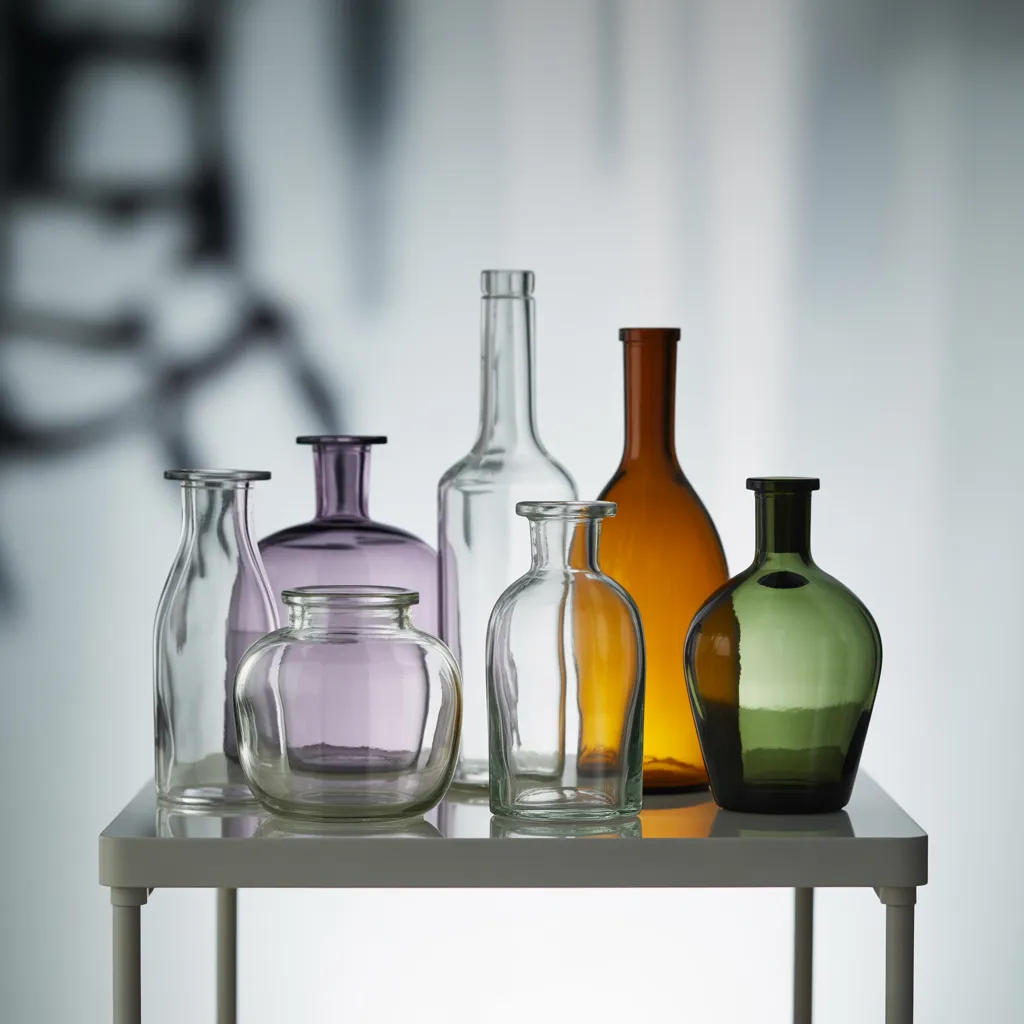
Unique aesthetics in glass containers are reshaping how products are perceived. Original silhouettes and configurations not only improve usability but also draw shopper focus. Additionally, vibrant color schemes further boost the overall appearance, making glass vessels rise above the competition on display.
One-of-a-Kind Shapes and Structures
Creative designs in packaging made from glass not only elevate the overall look but also act as a key factor in establishing brand uniqueness. Original shapes and configurations can produce unforgettable customer interactions, helping products distinguish themselves on busy retail displays. For instance, irregularly shaped bottles or angular designs can inspire intrigue and promote exploration. Such distinctive designs often align with a brand's identity, strengthening its core principles and vision. Additionally, unique forms can enhance usability, including better grip or improved dispensing. Organizations that embrace creative glass packaging solutions signal commitment to quality and sustainability, appealing to sustainability-minded customers. By championing innovation in their packaging strategies, companies can foster deeper connections with their audience, consequently strengthening customer commitment and improving market positioning.
Eye-Catching Color Palettes
Vibrant color palettes are fundamental in improving glass container aesthetics, converting standard bottles into captivating visual expressions. By employing a strategic blend of hues, companies can stir feelings and craft lasting impressions for customers. Bold colors can signify premium quality, whereas gentler shades can express refinement and elegance.
Moreover, the application of gradients and multi-toned designs creates depth and visual interest, commanding attention on competitive shelves. Sustainable practices further enhance the appeal; environmentally responsible dyes and finishes connect with mindful consumers. At the core, the ideal color palette not only reflects a brand's identity but also reinforces its commitment to sustainability, establishing glass packaging as an influential instrument for standing out in a competitive market.
In What Ways Does Glass Packaging Improve Product Perception?
Glass packaging significantly elevates the perception of products through its premium feel and appeal, evoking a feeling of luxury among consumers. The natural clarity and see-through quality of glass provide a clear and unimpeded view of the contents, solidifying the product's quality appeal. Additionally, using glass aligns with eco-friendly brand positioning, attracting consumers who prioritize environmental responsibility.
Premium Feel And Appeal
The use of glass packaging considerably boosts the recognized quality of a product, commonly connecting it with quality and elegance. Customers often link glass with high-end appeal, contributing to stronger brand dedication and favorable customer interactions. The physical feel of glass, with its refined surface and heft, establishes a luxurious sensation that plastic cannot replicate. This tactile interaction establishes a bond between the product and the consumer, cultivating a sense of excellence. Additionally, glass packaging conveys a commitment to sustainability, attracting sustainability-minded customers. As a result, businesses employing glass containers can establish themselves as superior choices within their markets, appealing to thoughtful consumers who prioritize both visual appeal and responsible practices in their buying choices.
Visual Transparency And Clarity
When consumers encounter products in glass packaging, their experience is commonly improved by the intrinsic visual see-through quality it delivers. This transparency allows potential buyers to see the product inside, creating an atmosphere of reliability and credibility. The transparency of glass not only displays the product's excellence but also emphasizes its hue and texture, elevating the overall visual experience. Additionally, the absence of labeling distractions on clear glass allows the product to take center stage, producing a more captivating retail encounter. Glass vessels can uplift brand standing by expressing a devotion to quality and skill. This visual clarity ultimately influences consumer decisions, promoting a more profound personal relationship with the item and the brand.
Sustainable Brand Positioning
Environmentally aware brands utilize glass containers to solidify their pledge to environmental responsibility, effectively enhancing product perception. Glass communicates an impression of quality and refinement, defining a loftier benchmark when measured against plastic counterparts. This substance not only underscores the green values of a brand but also attracts buyers who place importance on sustainable options. The physical sensation of glass—its heft and feel—additionally enhances the perceived worth of the product. Furthermore, the recyclable nature of glass corresponds with the increasing consumer appetite for sustainable habits, cultivating customer loyalty. By opting for glass, brands not only demonstrate their commitment to ecological responsibility but also position their products as premium offerings, thereby cultivating a positive image in a competitive marketplace.
Examples of Brands Thriving With Glass Packaging
Many companies are flourishing by embracing glass packaging, demonstrating its appeal to consumers and commitment to sustainability. As an example, a prominent beverage company transitioned to glass bottles, resulting in a 30% increase in sales within a year. The transition not only enhanced product visibility on shelves but also resonated with eco-conscious consumers, reinforcing the brand's sustainability message.
Another cosmetic company successfully changed to glass containers, considerably boosting its upscale appeal. This shift brought in a loyal customer base that prioritizes both visual appeal and eco-conscious practices. Furthermore, a craft beer producer incorporated refillable glass growlers, fostering customer loyalty and reducing waste. These case studies illustrate that glass packaging not only meets consumer demands for eco-friendly alternatives but also bolsters brand identity and market positioning. These deliberate decisions underscore an expanding movement among brands aiming to align their operations with sustainable practices while appealing to modern consumers.
Ways to Address Challenges in Glass Packaging
Steering complete information through the complexities of glass packaging requires creative approaches and a thorough understanding of the market. Brands often face issues such as high production costs, weight concerns, and breakability. To overcome these, companies can adopt advanced manufacturing techniques that minimize material waste and enhance durability. Working alongside suppliers to procure eco-friendly materials also minimizes ecological footprint while appealing to eco-aware consumers.
A further difficulty concerns the complexities of shipping, given glass's weight. Adopting intelligent logistics strategies, encompassing improved shipping methods and efficient packaging solutions, can help minimize costs and guarantee product safety during transit. Furthermore, educating consumers on the benefits of glass over plastic may cultivate customer loyalty and boost market demand. By embracing these strategies, companies can surmount challenges in glass packaging and establish themselves as pioneers in sustainable practices, consequently improving their brand identity and overall market influence.
The Future of Sustainable Glass Packaging
As the appetite for sustainable packaging solutions expands, the glass packaging industry is on the brink of significant transformation. Breakthroughs in manufacturing techniques are projected to boost energy efficiency, lowering the environmental impact linked to glass manufacturing. Moreover, the adoption of lightweight glass bottles will emerge as a key trend, decreasing transportation emissions while maintaining product integrity.
Recycling programs will grow increasingly strong, with increased collaboration between producers and local governments to improve glass collection and processing. Additionally, the integration of smart technology into packaging will facilitate improved clarity throughout the supply chain, enabling brands to showcase their sustainability efforts effectively.
The rising consumer appetite for environmentally conscious products will continue to fuel the growth of customizable, aesthetically pleasing designs, blending practicality with aesthetic charm. As brands prioritize sustainability, the glass packaging industry is poised to transform its strategies, harmonizing with global sustainability targets while fulfilling the needs of an eco-conscious audience.
Questions We Often Receive
What Are the Costs Involved With Glass Packaging as Opposed to Plastic?
Packaging made from glass commonly involves increased expenditures owing to manufacturing, shipping, and recycling requirements compared to plastic. However, it provides eco-friendly benefits and stronger brand positioning, which can justify the investment for some businesses.
How Can I Customize Glass Bottles for My Brand?
Businesses are able to personalize glass bottles through unique shapes, colors, and finishes. Custom labels, engravings, and printed artwork elevate brand identity. Collaborating with vendors ensures alignment with environmental objectives without compromising aesthetic appeal and functionality.
What Specific Regulations Apply to Glass Packaging?
Indeed, particular regulations for glass packaging are in place, distinct to each region. These include safety standards, labeling requirements, and recycling guidelines, ensuring consumer safety and environmental responsibility while encouraging sustainable practices in packaging manufacturing and distribution.
What Are the Top Best Practices for Recycling Glass Bottles?
To recycle glass bottles effectively, residents should clean them out to eliminate any residue, remove lids, and separate them by color. Additionally, they should consult local recycling guidelines for proper protocols and collection points to guarantee proper processing.
How Does Glass Packaging Impact Shipping and Logistics?
Glass packaging notably influences the shipping and logistics process by increasing weight and fragility, requiring careful handling and specialized transport solutions. This can lead to higher costs and more complex supply chain management relative to lighter and sturdier material alternatives.